

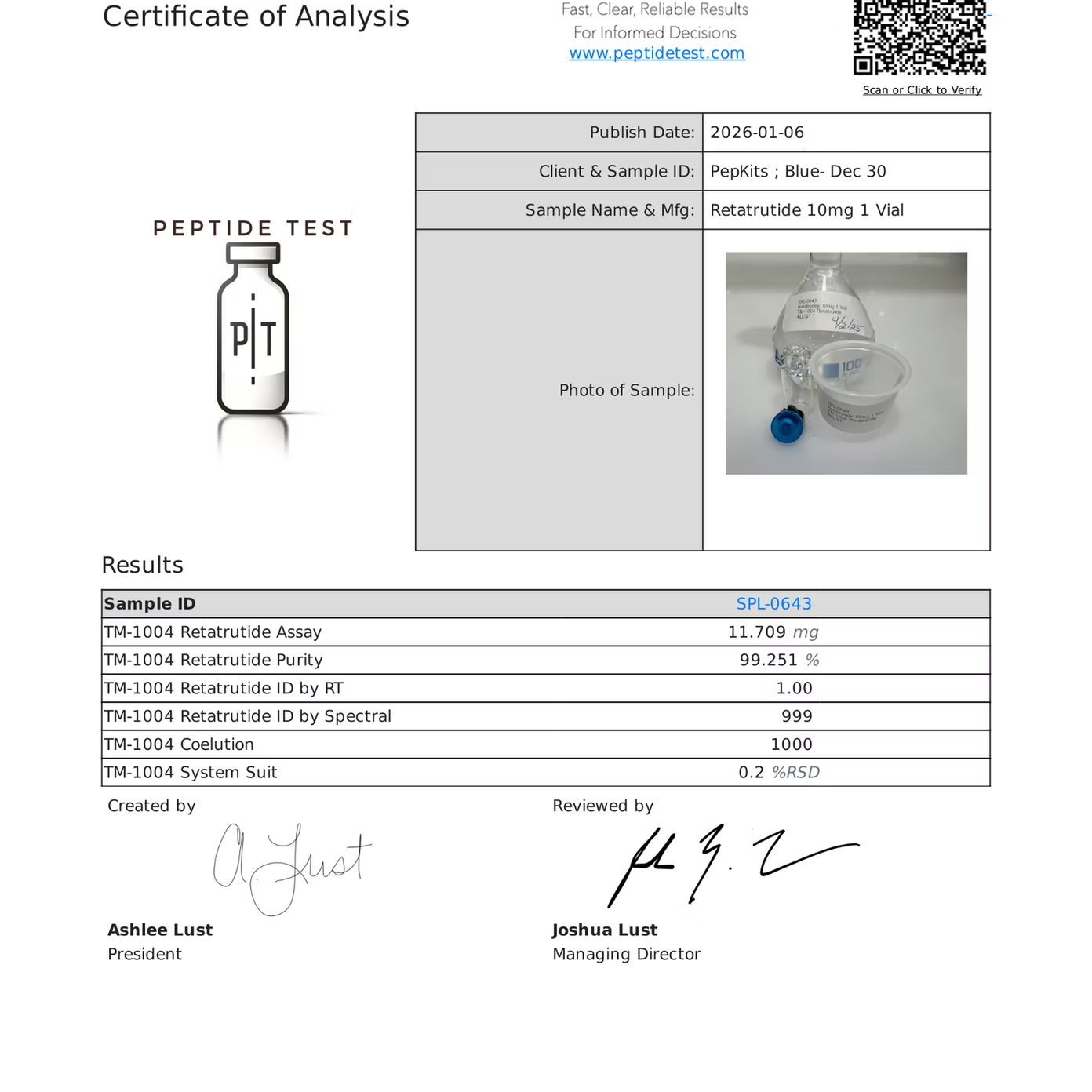
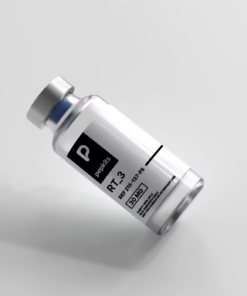

RT3 is a high-purity, fully lab-tested research peptide designed to target multiple metabolic pathways through a sophisticated mechanism of action. As a triple agonist of GLP-1, GIP, and glucagon receptors, RT3 represents an advanced compound of interest in metabolic and endocrine research. simultaneously engaging these three receptor systems, RT3 allows researchers to explore complex interactions related to appetite regulation, energy expenditure, glucose metabolism, and insulin sensitivity within controlled experimental models.
GLP-1 and GIP are well-known incretin hormones studied for their roles in insulin secretion, glucose homeostasis, and appetite signaling, while glucagon is closely associated with lipid metabolism and energy balance. The combined receptor activity of RT3 provides a unique framework for studying synergistic metabolic effects that may not be observable with single- or dual-agonist compounds. As a result, RT3 is commonly examined in research focused on obesity models, insulin resistance, metabolic syndrome, and related disorders.
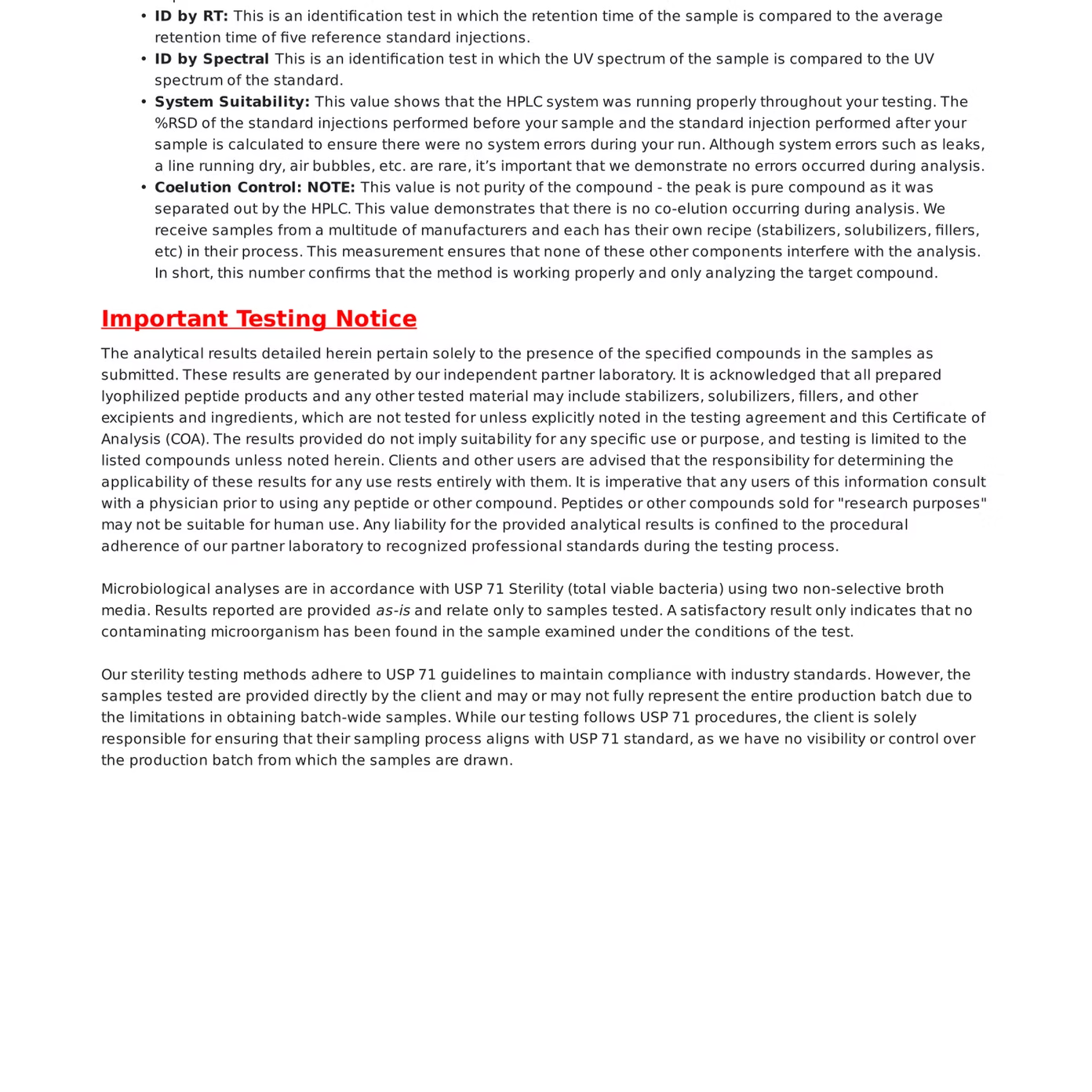
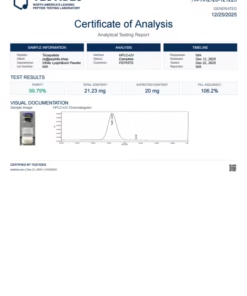
With a verified purity of ≥99%, RT3 is manufactured to meet stringent laboratory standards, supporting consistency and reproducibility across experimental applications. High purity is particularly important in metabolic research, where precise receptor interactions and signaling cascades are being evaluated. After reconstitution, refrigeration is required to maintain molecular stability and preserve research integrity over time.
Some research protocols may reference phased or incremental study designs when evaluating compound response over extended periods; however, such frameworks are not prescriptive and may vary significantly depending on the experimental model. Not all subjects or research conditions will conform to the same pattern, and investigators are responsible for designing protocols appropriate to their specific study objectives.
RT3 is strictly intended for research purposes only and is not approved for human use or consumption. Its value lies in advancing scientific understanding of next-generation multi-agonist strategies and supporting innovation in the study of complex metabolic diseases under controlled laboratory conditions.
Be the first to review “RT-3”
Related products

Uncategorized
Reviews
There are no reviews yet.